
Smart Design Solutions
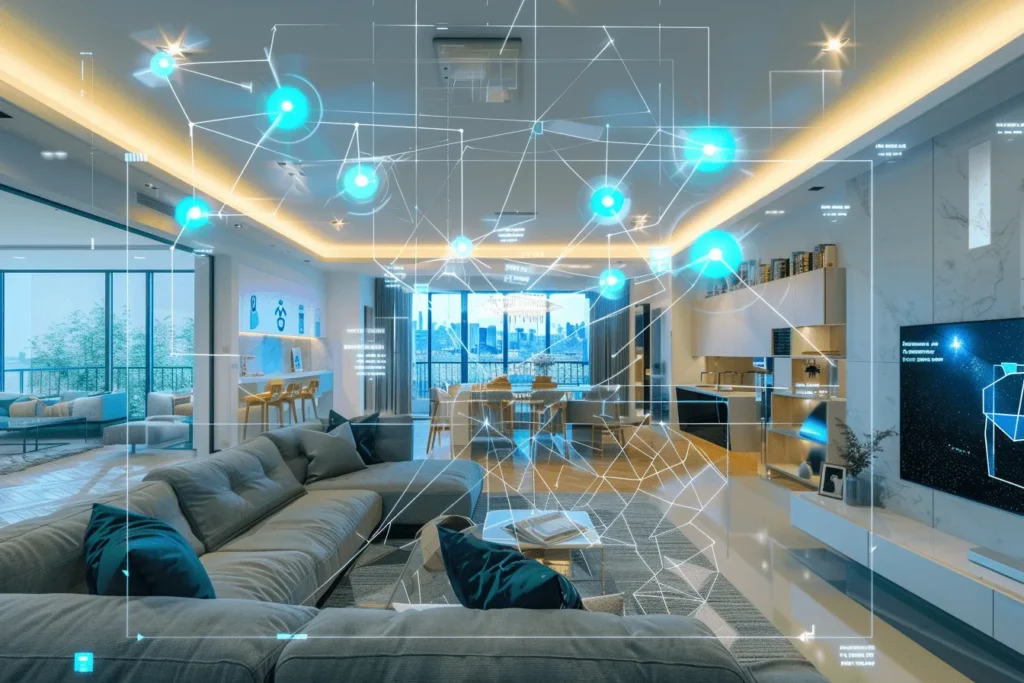
Smart Design Solutions Maximize Your Home’s Space: Smart Ideas for Functional and Stylish Living
Smart Design Solutions Every homeowner dreams of making the most of their space without the hassle of moving. Whether your family is growing or you simply need more room for hobbies, work, or relaxation, creating functional and stylish areas in your home is entirely possible. With smart design solutions, you can transform underutilized corners into practical and comfortable living spaces.
Another great idea is turning unused areas into functional storage solutions. For example, converting a spare room or part of your bedroom into a walk-in closet not only organizes clothing and accessories but also adds a touch of luxury. Custom layouts make it easier to keep your home tidy and clutter-free while increasing both functionality and value.
Smart Design Solutions Transform Your Basement into a Multi-Purpose Space
Smart DesignBasements are often forgotten storage areas filled with clutter. With a little creativity, you can turn them into vibrant, usable spaces. Start by addressing insulation, lighting, and flooring. Proper insulation keeps the space comfortable year-round, while upgraded lighting makes it bright and inviting.
Once the basics are set, design your basement to serve multiple purposes. It could be a home office, playroom, cozy media room, or all of the above. Built-in storage keeps the area organized. For best results, consult basement finishing contractors who specialize in turning basements into beautiful living areas.
Smart Design Solutions Converting Your Attic
Attics are full of untapped potential. With the right modifications, they can become extra bedrooms, reading nooks, or even small studio apartments. First, ensure the space meets structural and safety requirements, such as proper ventilation and sturdy flooring.
Next, make it feel welcoming: skylights for natural light, light-colored walls to open up the space, and minimal furniture to avoid clutter. Sloped ceilings can be used for custom storage solutions like built-in shelves or under-eave cabinets.
Take Advantage of Vertical Space Smart Design
If floor space is limited, think upward. Vertical space allows you to expand storage and functionality without crowding your rooms.
- Install floor-to-ceiling bookshelves for a library-like charm.
- Add lofted beds in children’s rooms to free up floor space for desks, play zones, or storage.
- Use wall racks and pegboards in kitchens and laundry rooms to store pots, pans, and cleaning supplies.
Utilize Nooks and Unused Corners
Every home has those small, overlooked spaces. These nooks can be transformed with a little creativity:
- Turn a corner into a cozy reading nook with a chair, lamp, and side table.
- Add a built-in desk for a compact home office.
- Enhance hallways with slim console tables, wall-mounted storage, or hooks for hats and coats.
Open Up Small Spaces with Design Tricks
Small rooms can feel more spacious with thoughtful design:
- Light, neutral colors on walls and floors create an airy feel.
- Mirrors reflect light and make rooms appear bigger.
- Multi-functional furniture, like ottomans with hidden storage or fold-out tables, maximizes utility.
- Layered lighting ambient, task, and accent can highlight different areas and add depth.
Make Outdoor Areas Work for You
Expanding your living space isn’t just about the indoors. Patios, decks, and yards can become functional extensions of your home:
- Add outdoor furniture, rugs, and fire pits for cozy entertainment.
- Vertical gardening brings greenery to small yards or balconies.
- Foldable or stackable furniture allows flexible setups for dining or lounging.
Smart Design Storage Ideas for Every Room
Maximizing space often comes down to clever storage:
- Use under-bed storage boxes for seasonal items.
- Install shelves above doors or windows to utilize high walls.
- Hang hooks in entryways, bathrooms, and kitchens to keep essentials within reach.
Smart storage keeps your home organized and visually appealing without sacrificing space.
Creating Multi-Functional Spaces
Think about rooms that can serve more than one purpose:
- A guest bedroom doubles as a home office.
- A playroom also functions as a creative craft area.
- Living rooms can include hidden storage furniture for toys or blankets.
Designing multi-functional spaces allows you to make the most of every square foot in your home.
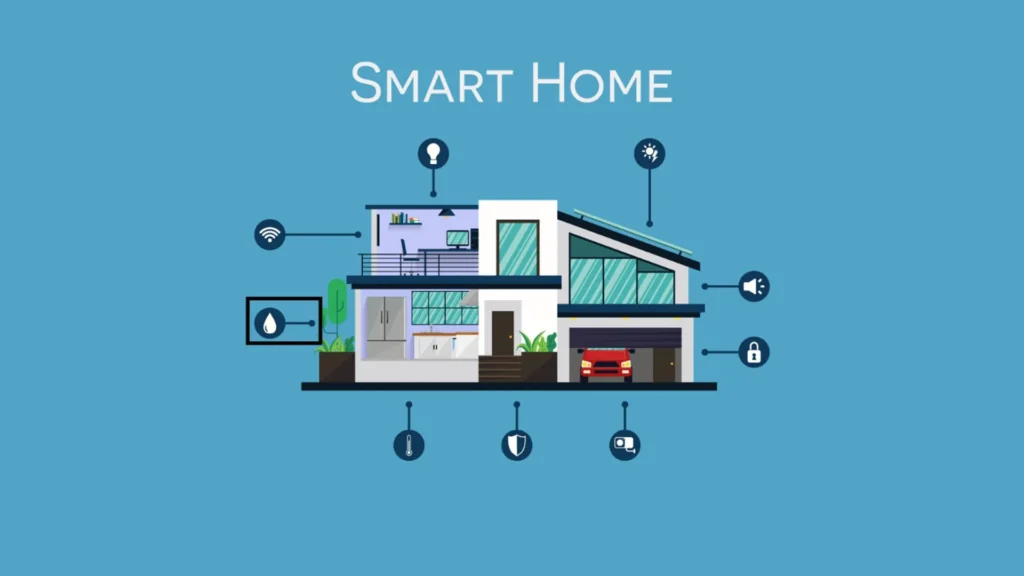
1.Smart Design Home Technology for Better Space Management
This topic can cover how smart devices like motion-sensor lighting, smart thermostats, and automated storage systems help manage space more efficiently. It adds a modern angle by showing how technology improves comfort without adding physical clutter.
2. Minimalist Living for a Clutter-Free Home
This topic can focus on minimalist design principles, such as intentional furniture choices, fewer decor items, and clean layouts. It highlights how less furniture and smarter organization can make any home feel larger and calmer.
3. Furniture Placement Psychology
This topic can explore how correct furniture arrangement affects movement, mood, and functionality. Instead of adding space, it explains how rearranging existing furniture can dramatically improve flow and usability.
4. Color Psychology in Space Optimization
This topic can discuss how different colors influence perception of space, energy, and relaxation. It’s a unique angle that explains why certain shades work better in bedrooms, workspaces, or compact rooms.
5. Seasonal Space Reorganization
This topic can focus on rearranging and refreshing spaces according to seasons, such as summer layouts for openness and winter layouts for coziness. It introduces a lifestyle-based approach rarely covered in standard space-design articles.
6. Designing Quiet Zones in Busy Homes
This topic can highlight creating calm, distraction-free zones for reading, meditation, or remote work, even in small or crowded homes. It adds emotional and mental well-being value to the design discussion.
7. Lighting as a Space-Defining Tool
This topic can explain how different lighting zones define areas without walls, such as separating dining, working, and relaxing areas using light instead of partitions.
8. Designing Homes for Remote Work and Study
This topic can focus on creating productive work or study zones at home without needing extra rooms. It can include ideas like compact desks, sound control, ergonomic furniture, and flexible layouts that support long hours of focus while maintaining style.
9. Acoustic Design for Comfortable Living
This topic can explore how sound management improves home comfort, such as using soft furnishings, rugs, wall panels, and curtains to reduce noise. It’s a rarely discussed but important factor in making shared or small homes feel peaceful.
10. Future-Proofing Your Home Layout Smart Design
This topic can discuss designing spaces that adapt to future needs, like aging-in-place, growing families, or lifestyle changes. Flexible layouts, movable partitions, and modular furniture help ensure your home remains functional for years to come.
Conclusion of Smart Design
Expanding your home’s usable space doesn’t require major renovations or a bigger budget. By rethinking basements, attics, vertical areas, nooks, and even outdoor spaces, you can create functional and beautiful areas. From calm retreats to clever storage solutions, thoughtful design unlocks your home’s full potential and enhances both comfort and style.