Creative Books
(Tools for Exploring Ideas and Thinking)
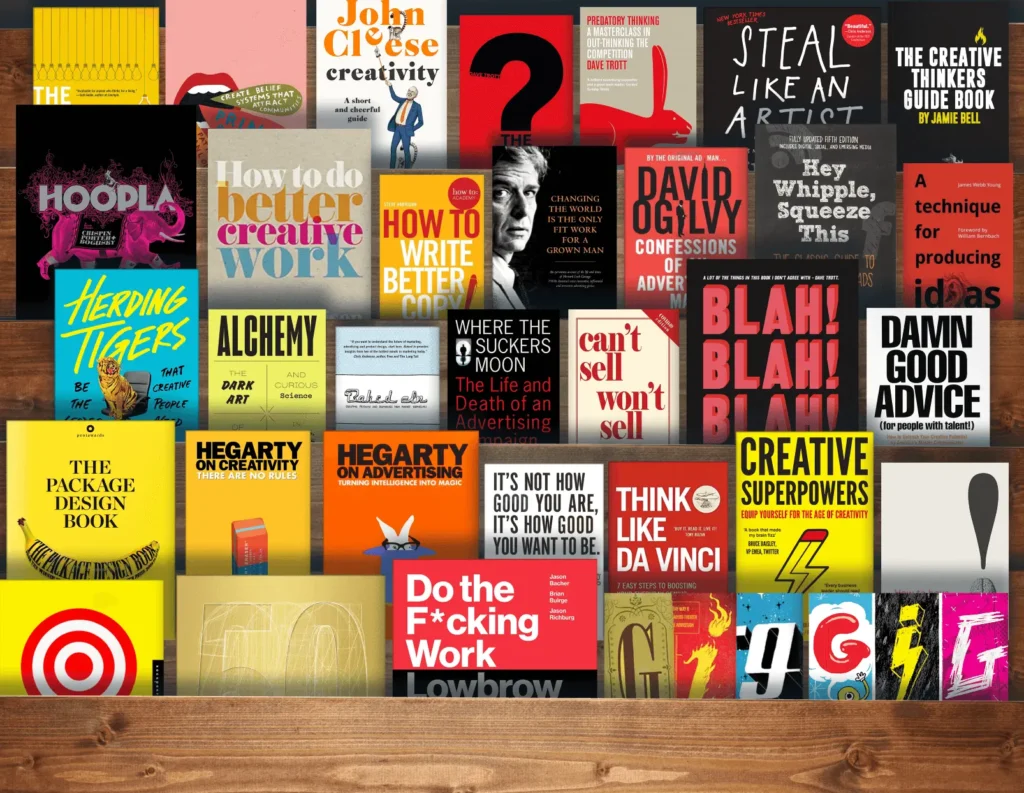
There’s this whole genre of books that really dives into boosting your creative thinking. You’ve got theoretical ones like “The Creative Habit,” practical ones such as “Steal Like an Artist,” and then there are storytelling gems like “Big Magic.” In this piece, we’ll dive into what creative books really are, covering their essential components, some standout techniques, and tips to help you get the most out of this exciting genre.
Understanding The Creative Books:
Creativity is not simply about teaching someone to do something; it is about a whole new way of thinking and creatively fostering creativity in society. Creative writing can either flow like a gentle breeze or hit like a freight train; this is true for novel writing, autobiographical writing, poetry, as well as all forms of writing that serve to encourage creative thought. All creative writing causes a person to rethink the way they think, feel, and perceive the world we live in.
The biggest mistake made by many readers is to read creative works like they would read an academic article, i.e., read them once and be done with it. Creative writing is a form of literature which asks readers to engage with it, to stop, to think, and debate it. It also challenges the reader to try go something new, discover something new about themselves and learn how to express their thoughts. When a person dives deep in creative pieces, they can offer entertainment, but the deeper they go into a piece, more the piece more their thought changes how they view and experience narrative, ideas, and self-expression.
Core Elements of Creative Writing:
Writing creatively is primarily about connecting with others. All other elements in writing serve as tools to achieve that goal.
- Voice: Represents the writer’s personality behind the words. A strong voice embodies human flaws, curiosity, and virility.
- Emotion: Readers can recall specific feelings elicited by reading rather than remembering the events of a story.
- Imagery: Provides concrete/specific information to ground abstract concepts so that the reader can relate to them more concretely.
- Structure: Creative expression works best when it adheres to an established format. Even in Experimental Writing, there exists an internal rhythm.
- Truth: Not factual truth, but emotional honesty. Readers sense when something is fake.
- Creative books repeatedly return to these elements from different angles, each time sharpening your intuition.
Practice Exercises:
Practicing builds creative muscle muscles, while reading alone does not.
Creative books often hide exercises between the lines in prompts, metaphors, or questions the author never directly answers. The smartest move is to pull those ideas out and turn them into action.
Simple practices include:
- Rewriting a scene from memory instead of rereading it
- Writing for ten minutes without editing
- Imitating an author’s style, then breaking away from it
- Turning a personal experience into fiction
Small, repeatable exercises matter more than occasional bursts of motivation.
Inspirational Story:
Every creative person has a moment when something clicks.
Maybe it’s reading a paragraph that feels like it was written directly for you. Maybe it’s realizing a famous author once struggled with the same doubt you’re carrying right now. Inspirational stories whether in creative books or your own journal remind you that creativity isn’t magic. It’s persistence with emotion attached.
When you retell these stories in your own words, they become fuel. They stop being inspiration and start becoming momentum.
Structured Approach:
Creativity loves freedom but it thrives with structure.
A structured approach doesn’t kill imagination; it protects it from chaos. Instead of waiting to “feel inspired,” structure gives your creativity a regular place to show up.
This might look like:
- Reading one creative book section per week
- Writing at the same time each day
- Limiting projects to a clear scope
- Tracking progress without obsessing over perfection
Structure turns creativity from a mood into a habit.
How to Read and Apply Creative Books in Practice:
Reading creatively means reading with intent.
Don’t rush. Don’t highlight everything. Choose what resonates and ask why it hit you. Take notes that matter to you, not summaries you’ll never reread.
Apply ideas immediately even imperfectly. If a book sparks an idea, write something the same day. Creative knowledge decays fast if it isn’t used. Reading → thinking → doing should happen in one loop.
Practice Exercises Through Schedules and Tools:
Consistency beats intensity every time.
Use simple tools:
- A calendar for writing streaks
- Timers for distraction-free sessions
- Notes apps for capturing ideas mid-day
- Documents dedicated to messy drafts
Schedules don’t need to be rigid. They need to be realistic. The goal is to make creativity easier to start than to avoid.
Inspirational Stories Through Writing and Retelling:
Writing your own stories—especially unfinished or imperfect ones builds confidence faster than consuming endless content.
Retell ideas from books in your own voice. Rewrite myths, memories, or moments you barely remember. This practice trains interpretation, not imitation.
Over time, your writing stops sounding like your influences and starts sounding like you. That’s the quiet win most creators underestimate.
Structured Approach Through Projects and Measurement:
Creative freedom improves when projects have boundaries.
Define:
- What you’re creating
- Why it matters
- When it’s considered “done”
Measure progress by output, not applause. Pages written. Stories completed. Time spent showing up. These metrics keep creativity grounded without turning it into pressure.
Conclusion:
Creative books are not destinations. They’re starting points.
Their real value appears when you read slowly, practice often, structure gently, and allow yourself to evolve without rushing the process. Creativity isn’t about becoming someone else, it’s about uncovering what was already there and giving it shape.
The more you engage with creative books as living tools rather than passive entertainment, the more confidently your own creative voice starts to speak and eventually, it stops asking permission.