Hygrometer Calibration
Hygrometer Calibration
Introduction
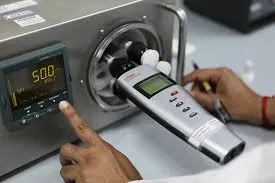
Hygrometers-devices which measure the relative humidity of an area are vital in many sectors, from pharmaceuticals to food processing, to HVAC and conservation of museums. A precise measurement of humidity can guarantee the product’s quality, regulation conformity, and the preservation of vulnerable areas. But, as with any other measurement instrument humidity meters can fluctuate with time, and need to be calibrated regularly to ensure their accuracy.
Why Hygrometer Calibration Matters
- Product Qualitative: In pharmaceuticals and food products, insufficient humidity could cause a product to spoil or even invalidate batches. In particular, excessive water in tablet production may cause clumping or decreased effectiveness.
- Regulation Requirements Numerous industries, including those that are governed under FDA as well as GMP guidelines, demand regularly scheduled, traceable calibrations of monitoring devices for environmental protection.
- Preservation Archival and museums establishments rely on control of humidity in order to avoid damage to precious artifacts as well as documents.
- Processing Efficiency For HVAC systems, precise readings of humidity optimize energy consumption and provide the comfort of the occupant.
Common Causes of Hygrometer Calibration Inaccuracy
- Sensor Aging With time sensors’ materials change and readings begin to shift.
- Contamination The presence of dust, chemicals or condensation may irritate sensors.
- Temperature Effects Certain hygrometers are affected by rapid changes in temperature and can affect readings of humidity.
- Unsuitable Placement: Installing hygrometers in areas near vents, doors, or bright sunlight could affect the measurements, resulting in inaccurate calibration.
Hygrometer Calibration Best Practices
1. Schedule Regular Calibration
Be sure to follow the guidelines of the manufacturer or industry standards – often every year, however, more often in crucial or heavy-use areas.
2. Use Reference Standards
Use certified reference hygrometers to calibrate or utilize saturated salt solutions for creating familiar humidity conditions.
3. Simulate Actual Conditions
When possible, test to the temperature and humidity ranges that you would expect to find in your work conditions.
4. Document Everything
Keep track of the date of calibration Results, dates, as well as corrective actions. This allows for traceability and ease of audits.Hygrometer Calibration: Complete Accuracy Guide for 2026
Introduction
Hygrometers devices used to measure relative humidity play a critical role in many industries, including pharmaceuticals, food processing, HVAC systems, laboratories, data centers, and museums. Accurate humidity measurement is essential to maintain product quality, meet regulatory requirements, and protect sensitive environments.
However, like all measurement instruments, hygrometers can drift over time. Sensor aging, environmental exposure, and improper handling can all reduce accuracy. This makes regular hygrometer calibration essential to ensure reliable and traceable humidity readings, especially in regulated or high-risk environments.
In 2026, with stricter compliance standards and increased automation, proper hygrometer calibration is no longer optional it is a fundamental part of quality control.
Why Hygrometer Calibration Matters
1. Product Quality and Safety
In industries such as pharmaceuticals and food manufacturing, incorrect humidity levels can cause serious issues:
- Tablets may absorb excess moisture and lose effectiveness
- Powders can clump or degrade
- Food products may spoil or lose shelf life
Accurate hygrometer calibration ensures consistent environmental conditions and protects product integrity.
2. Regulatory and Compliance Requirements
Many industries operate under strict regulations such as FDA, GMP, ISO, and HACCP standards. These frameworks require:
- Regular calibration of environmental monitoring instruments
- Traceable calibration records
- Documented corrective actions
Failure to maintain calibrated hygrometers can lead to failed audits, production delays, or regulatory penalties.
3. Preservation of Sensitive Materials
Museums, archives, and libraries rely heavily on controlled humidity to preserve artifacts, manuscripts, and artworks. Even small humidity errors can cause:
- Mold growth
- Paper degradation
- Cracking or warping of materials
Regular calibration helps maintain stable environmental conditions and prevents irreversible damage.
4. Energy Efficiency and Comfort
In HVAC systems, accurate humidity readings optimize climate control. Poor calibration can result in:
- Increased energy consumption
- Inconsistent indoor comfort
- Overuse of dehumidification or humidification systems
Correct calibration improves system efficiency and reduces operational costs.
Common Causes of Hygrometer Inaccuracy
Sensor Aging
Over time, sensing elements naturally degrade, leading to gradual measurement drift.
Environmental Contamination
Dust, chemicals, oil vapors, or condensation can interfere with sensor response and accuracy.
Temperature Influence
Rapid or extreme temperature changes can affect hygrometer performance, especially if temperature compensation is limited.
Improper Installation
Placing hygrometers near vents, doors, direct sunlight, or heat sources can cause inaccurate humidity readings.
Hygrometer Calibration Best Practices
1. Establish a Regular Calibration Schedule
Follow manufacturer recommendations or industry standards typically annually, or more frequently in critical environments2. Use Certified Reference Standards
Calibration should be performed using:
- Traceable reference hygrometers
- Saturated salt solutions to generate known humidity levels
Certified standards ensure repeatable and accurate results.
3. Calibrate Under Realistic Conditions
Whenever possible, calibrate within the actual temperature and humidity ranges used in daily operations to improve real-world accuracy.
4. Maintain Complete Documentation
Record:
- Calibration dates
- Before-and-after readings
- Adjustments made
- Technician details
Proper documentation supports audits and long-term trend analysis.
5. Train Personnel
Staff should be trained in:
- Correct handling of hygrometers
- Calibration procedures
- Identifying abnormal readings
This reduces accidental damage and human error.
Types of Hygrometer Calibration Methods
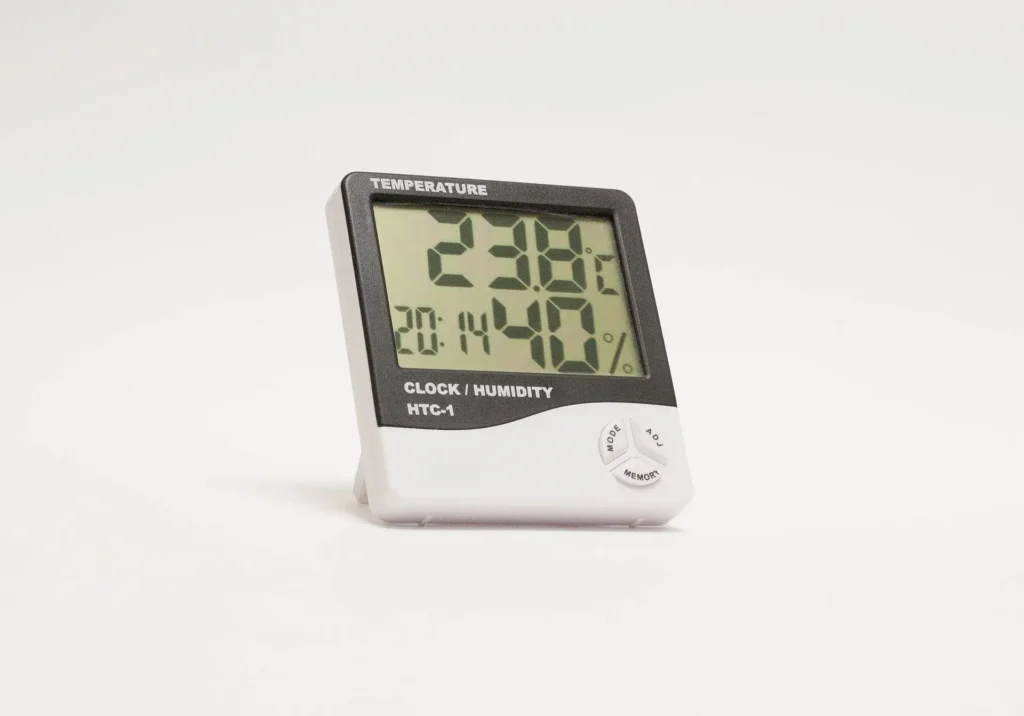
Salt Solution Calibration
A cost-effective method using saturated salts to create stable humidity levels (e.g., 75% RH with sodium chloride).
Comparison Calibration
Comparing readings against a high-accuracy reference hygrometer in a controlled environment.
Automated Calibration Chambers
Used in laboratories and industrial settings for high-precision, multi-point calibration.
Real-World Case Studies
Pharmaceutical Manufacturing
A pharmaceutical company experienced inconsistent tablet quality due to humidity-sensitive processes. Investigation revealed hygrometers had not been calibrated for over two years, resulting in errors exceeding 7%. After implementing a strict calibration schedule, product consistency improved and regulatory inspections were passed without issues.
Museum Conservation
A museum discovered mold damage on valuable artifacts caused by unnoticed humidity drift. The issue was traced to poorly calibrated hygrometers. Regular calibration prevented further losses and stabilized environmental conditions.
Actionable Tips for Effective Hygrometer Management
- Assign calibration responsibility to trained personnel
- Label each device with last and next calibration dates
- Store hygrometers properly when not in use
- Recalibrate immediately after exposure to extreme conditions
- Cross-check readings periodically using reference instruments
Choosing a Professional Calibration Partner
Why SIMCO?
SIMCO provides comprehensive hygrometer calibration services, including:
- On-site and mail-in calibration options
- Wide humidity and temperature range coverage
- Fully traceable calibration certificates
- Expert technical support and troubleshooting advice
Working with a professional service ensures compliance, accuracy, and peace of mind.
Future Trends in Hygrometer Calibration (2026 and Beyond)
- Digital calibration records and cloud-based tracking
- IoT-enabled humidity sensors with self-diagnostics
- Stricter audit requirements for environmental monitoring
- Predictive maintenance using calibration trend analysis
Staying ahead of these trends ensures long-term reliability and compliance.
Conclusion
Hygrometer calibration is a small investment with significant returns in quality, safety, efficiency, and compliance. In 2026, accurate humidity measurement is more critical than ever due to tighter regulations and advanced environmental controls.
By implementing regular calibration schedules, using certified standards, and partnering with experts like SIMCO, organizations can ensure reliable humidity data, protect valuable assets, and maintain operational excellence.