
LLC vs C-Corp
Understanding the Basics of LLC vs C-Corp
Both LLCs and C-Corps provide limited liability protection, safeguarding personal assets from business debts. However, they differ significantly in taxation, management structure, and investor appeal.
Limited Liability Companies (LLCs) combine liability protection with tax flexibility and operational simplicity. They’re governed by operating agreements and can be managed by members or designated managers.
C-Corporations are separate legal entities owned by shareholders and managed by directors. They face corporate income tax, creating potential “double taxation” on profits.
LLC: Flexibility for International Entrepreneurs
Key Advantages
Pass-Through Taxation
LLCs don’t pay corporate taxes. Instead, profits pass directly to the owners. For non-residents with income that doesn’t come from the U.S., this often means very little or even zero tax to pay in the U.S. It keeps things simple and affordable.
Very Simple to Run
LLCs are low-maintenance. You don’t need yearly meetings, formal paperwork, or board approvals. This is a huge advantage for people running their business from another country or managing everything online.
Flexible Management Style
You get to decide how your LLC works. Owners can manage the business themselves, or they can appoint managers. This flexibility makes LLCs easy to adapt to international or remote operations.
Stronger Privacy
States like Wyoming offer great privacy. They don’t require you to publicly list the names of owners or managers. For international entrepreneurs who prefer to keep their information private, this is a big plus.
Lower Overall Costs
Running an LLC is cheaper. The annual fees are lower, and the administrative work is minimal. This makes it a perfect option for startups, small businesses, and solo entrepreneurs.
Key Disadvantages
Not Ideal for Big Investors
Most venture capital firms and big investors prefer C-Corps because the structure is familiar and easier for large investments. This means LLCs might struggle to attract major funding.
No Stock Options
LLCs can’t issue stock or stock options. So if you want to hire top talent and offer equity as part of their compensation, it becomes more challenging.
Transferring Ownership Is Harder
Unlike corporations where you can simply transfer shares, LLC ownership transfers involve more steps and legal complexity. This can slow things down during major changes.
Self-Employment Taxes
U.S.-based members may have to pay self-employment taxes. While this doesn’t usually affect non-resident aliens, it’s still something to keep in mind
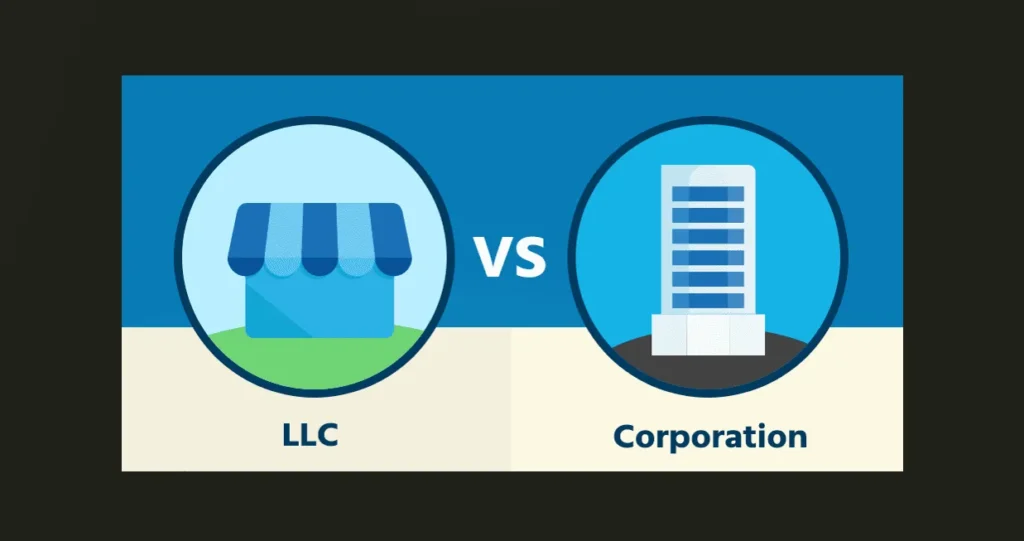
C-Corp: The Growth-Oriented Choice
Key Advantages
Great for Attracting Investors
C-Corps are the structure investors love. If you’re planning to raise venture capital or dream of taking your company public one day, this setup makes things easier. Investors know how it works, and it supports different types of stock, which they prefer.
Room to Grow Without Limits
There’s no cap on how many shareholders you can have, and it doesn’t matter where they’re from. This makes C-Corps perfect for businesses aiming for serious, global growth.
Stock Options for Employees
C-Corps can offer stock options and RSUs, which are huge incentives when hiring top talent. In competitive markets, being able to offer equity can make all the difference.
Strong Credibility
Delaware C-Corps especially carry a lot of trust. Many big companies use this structure, and investors see it as reliable. Plus, Delaware’s Court of Chancery specializes in corporate law, giving businesses more legal clarity and stability.
Flexible Tax Planning
C-Corps provide more ways to manage profits, keep money in the company, and plan taxes strategically. This gives companies more freedom as they grow.
Key Disadvantages
Double Taxation
C-Corps pay taxes on their profits, and then shareholders pay taxes again when they receive dividends. Some countries have tax treaties that reduce this impact, but the double layer still exists.
More Complicated to Run
There’s more paperwork and structure involved annual meetings, formal decisions, recorded minutes, and regular filings. It takes more time and effort to stay compliant.
Higher Costs
Setting up and maintaining a C-Corp costs more. Franchise taxes, filing fees, and ongoing compliance expenses all add up over time.
Less Flexibility
C-Corps follow strict rules and formal processes. This can slow down decision-making and make the structure feel less flexible compared to an LLC.
Wyoming vs Delaware: State Comparison
Wyoming: Cheap, Private, and Easy for Business
Why LLCs Shine in Wyoming
If you want a business that’s simple, low-cost, and private, Wyoming is a top pick. LLCs here don’t pay state corporate or franchise taxes, annual fees are tiny (around $60–80), and your personal info stays private. On top of that, the state has strong laws to protect your assets basically, your business and your wallet are both safe.
Why C-Corps Work Well Here
C-Corps in Wyoming get similar perks: no state tax on money you earn outside the state, cheaper fees than Delaware, and clear, modern corporate laws that make compliance less stressful.
All in all, Wyoming is perfect if you’re running a small or digital business, want privacy, and don’t want to spend a fortune on setup or yearly fees.
Delaware: The Corporate Gold Standard
C-Corp Benefits:
- 200+ years of corporate case law
- Specialized Court of Chancery
- Universal investor recognition
- Over 60% of Fortune 500 companies are incorporated here
LLC Benefits:
- Flexible, modern LLC statute
- Strong legal precedents
- High credibility
Delaware charges higher fees but offers unmatched advantages for growth-oriented businesses seeking venture capital.
Decision Framework
Choose an LLC (Wyoming) if you:
- Prioritize simplicity and low costs
- Don’t need immediate institutional capital
- Value privacy and asset protection
- Run a service or digital business
- Want pass-through taxation
Choose a C-Corp (Delaware) if you:
- Plan to raise venture capital or pursue an IPO
- Need stock options for talent
- Expect rapid scaling
- Can manage complexity and higher costs
- Want maximum investor credibility
Special Considerations for Non-U.S. Residents
Banking Access U.S. banks often have streamlined processes for Delaware C-Corps versus LLCs.
Visa Implications: Both structures can support E-2 investor visas, but C-Corps may be viewed more favorably. Consult an immigration attorney.
Home Country Tax Rules Research how your country treats U.S. entities for tax purposes, particularly controlled foreign corporation (CFC) rules.
FATCA Compliance. Both structures require Foreign Account Tax Compliance Act compliance for U.S. banking.
The Hybrid Strategy
Many entrepreneurs start as an LLC for simplicity and lower costs, then convert to a C-Corp when raising institutional capital. This offers:
- Lower initial investment
- Pass-through taxation early on
- Flexibility to convert later
- Time to validate the business model
However, conversion can create tax complications if the LLC has appreciated significantly. Always consult a tax advisor before converting.
Working with Formation Services
Professional services like EasyFiling handle formation documents, registered agent services, EIN applications, and ongoing complianceinvaluable for international entrepreneurs managing U.S. formation remotely.
Why Choosing the Right Structure Matters for Global Entrepreneurs
Thinking about starting a business in the U.S. as an international entrepreneur? Exciting stuff! But let’s be real it can also feel like stepping into a maze. One of the first and most important decisions you’ll make is choosing your business structure. And no, this isn’t just some boring paperwork. The choice between an LLC and a C-Corp can affect your taxes, personal liability, how investors see you, and how fast your business can grow. Pick wisely now, and you’ll save yourself a lot of headaches down the road.
LLCs are like the friendly, flexible option. They’re simple to manage, let profits flow directly to you, and skip the double taxation that C-Corps face. If you’re a solo founder, a small team, or testing out your idea, an LLC can be a lifesaver. Plus, it keeps your personal finances safe your home, car, and savings aren’t suddenly on the line if business bumps come along.
C-Corps? They’re the “let’s grow big” option. You can issue shares, attract investors, and even give employees stock options perfect if you’re dreaming of scaling fast or getting venture capital. Sure, they come with more rules and taxes, but the credibility and structure they offer are unbeatable for ambitious growth.
And here’s a little tip: think about banking and payments early. Some banks love the C-Corp structure because it makes account setup easier, while LLCs are fine but sometimes need extra paperwork. Planning for this now makes life much smoother later.
At the end of the day, choosing the right structure is more than a formality it’s the foundation of your business. Take the time to understand your options, line them up with your goals, and you’ll step into the U.S. market with confidence instead of confusion.
Conclusion
Choosing between an LLC and a C-Corp might feel like a big, scary decision but it doesn’t have to be. Think of it like deciding whether to start small and nimble or set yourself up for big, fast growth. Both paths work; it just depends on your goals and your current situation.
If you’re starting out, running a small or bootstrapped business, or offering services, an LLC is often the friendliest choice. It’s easy to set up, flexible, and comes with tax perks that keep more money in your pocket. Imagine being able to focus on building your clients, perfecting your product, or exploring new ideas, instead of worrying about complex corporate rules and double taxation that’s the freedom an LLC can give you.
But let’s say your sights are bigger. You want to raise venture capital, expand quickly, or reward your team with stock options. That’s where a C-Corp shines. It gives your business the credibility and structure that investors and partners love, and it’s built to handle growth without tripping over legal or administrative obstacles. Sure, it comes with more paperwork and formalities, but that structure is what helps you scale safely and confidently.
Here’s some good news: this choice isn’t permanent. Many successful companies start with one structure and switch later as they grow. Think of it like choosing your first car you pick what gets you moving now, knowing you can upgrade when your journey takes you further.
And here’s the most important piece of advice: get guidance from experts. Talk to an attorney who knows international business formation and an accountant familiar with cross-border taxes. They’ll help you set up your business on a rock-solid foundation, protect your personal assets, and make sure you’re ready to thrive in the U.S. market. With the right support, you can focus on growing your business, exploring opportunities, and building your dream without unnecessary stress, surprises, or headaches.