
Safe Perfume Choices for Sensitive Skin
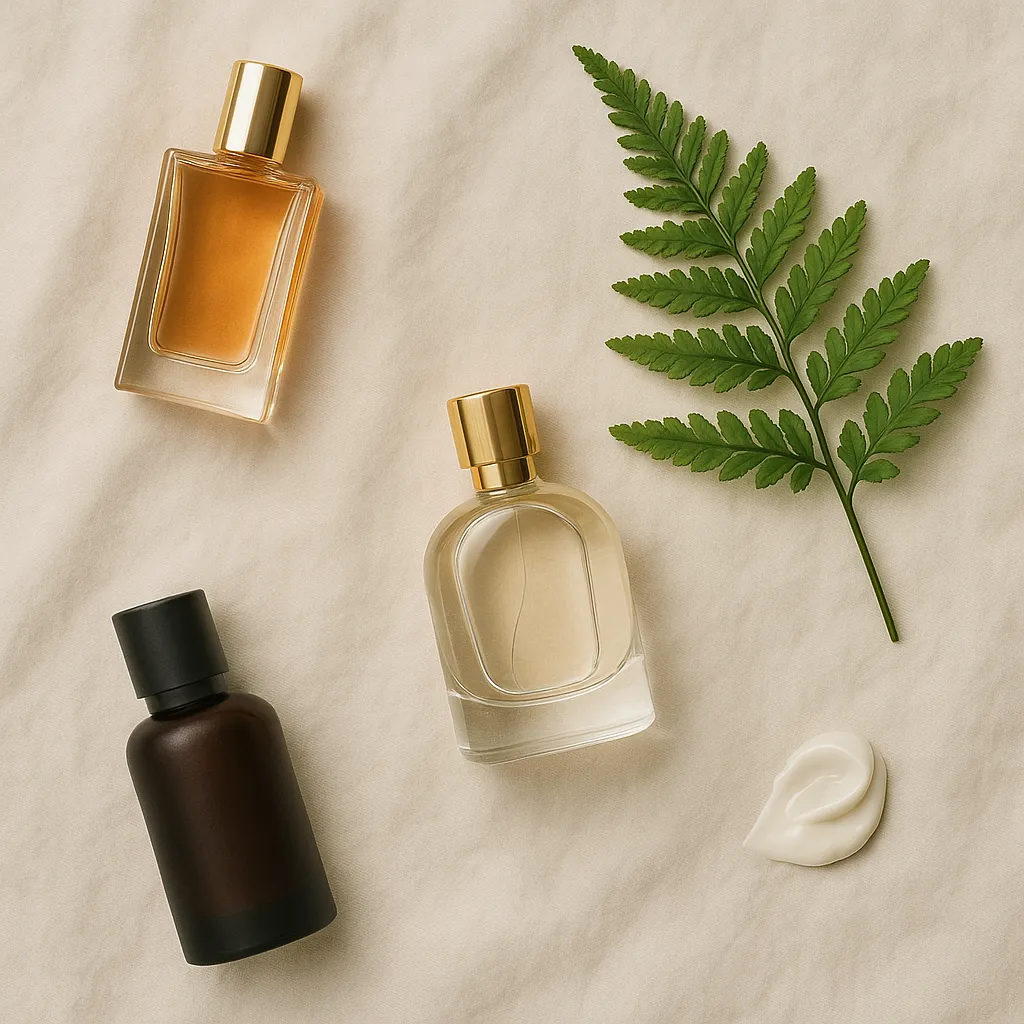
Best Safe Perfume for Women with Sensitive Skin: A Complete Guide
women with sensitive skin, choosing the right perfume isn’t just about preference it’s about comfort and skin health. Many commercial perfumes contain alcohol, synthetic fragrances, or preservatives that can irritate the skin, cause redness, or trigger allergic reactions. Selecting a skin-friendly perfume ensures you can enjoy beautiful scents without compromising your skin’s wellbeing.
In this guide, we’ll explore the best practices for picking perfumes for sensitive skin, highlight ingredients to avoid, and recommend gentle options that combine fragrance with safety.
Why Sensitive Skin Reacts to Perfume
Sensitive skin is more reactive to chemicals and allergens. Perfumes often contain alcohol, synthetic fragrance blends, or preservatives that can cause:
- Redness or rashes
- Itching or stinging sensations
- Dry patches or peeling
- Breakouts or inflammation
Most of these issues are triggered by ethanol, parabens, phthalates, or other harsh chemicals commonly used in mass-market fragrances.
What to Look for in a Safe Perfume
When shopping for a fragrance suitable for delicate skin, keep these tips in mind:
1. Alcohol-Free Formulas
Traditional perfumes often contain alcohol, which can dry out and irritate skin. Water-based or oil-based perfumes are gentler alternatives.
2. Hypoallergenic Options
Look for perfumes labeled “hypoallergenic”. These formulations reduce the risk of allergic reactions and are designed for sensitive skin.
3. Natural and Organic Ingredients
Botanical extracts and essential oils are less likely to irritate skin. Natural fragrances also provide subtle and fresh aromas without harsh chemicals.
4. Light or Minimal Fragrance
Overpowering scents often contain more chemicals. Choose soft, subtle perfumes with fewer ingredients for a safer experience.
Ingredients to Avoid in Perfumes
Some perfume ingredients are known irritants, especially for reactive skin:
| Ingredient | Why to Avoid |
|---|---|
| Ethanol / SD Alcohol | Dries and damages skin |
| Synthetic Fragrances | Potential allergens, often undisclosed |
| Parabens | Preservatives linked to skin sensitivity |
| Phthalates | Can irritate skin and disrupt hormones |
| Formaldehyde | Strong allergen, irritates sensitive skin |
For more details, the Environmental Working Group’s Skin Deep database is a trusted source for researching cosmetic ingredients.
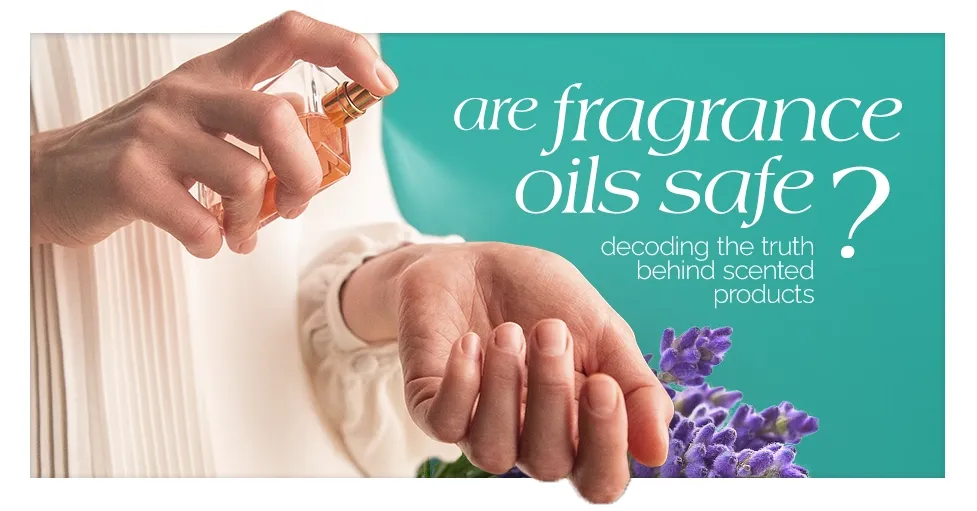
Best Types of Safe Perfume
Choosing the right perfume base can make a huge difference:
Oil-Based Perfumes
Moisturizing, gentle, and free from harsh chemicals.
Solid Perfumes
Made from wax and essential oils, these are travel-friendly and less likely to irritate.
Natural Eau de Toilettes
Lighter than traditional perfumes, often made from essential oils, perfect for everyday use.
How to Identify Your Personal Scent Sensitivities
Everyone’s skin reacts differently. Citrus, floral, or woody fragrances may irritate some people while others are fine. Keep track of perfumes that cause reactions and select formulas that align with your skin’s tolerance.
Patch Testing: Your First Step
Even gentle perfumes should be tested before full application:
- Apply a small amount on your inner wrist.
- Wait 24 hours.
- Monitor for redness, itching, or irritation.
This simple step helps avoid full-scale skin reactions.
Safe Ways to Apply
- Spray on clothes instead of directly on skin.
- Avoid broken or irritated skin.
- Apply unscented moisturizer before fragrance to create a protective barrier.
Top Skin-Friendly
Here are some highly recommended perfumes for sensitive skin:
| Perfume Name | Type | Skin-Friendly Features |
|---|---|---|
| Rose & Musk Oil Perfume | Oil-Based | Alcohol-free, essential oils |
| Citrus Bloom Solid Perfume | Solid | Paraben-free, subtle scent |
| Lavender Breeze Eau de Toilette | Light Spray | Organic ingredients, no phthalates |
You can explore more options at Scent N Stories, where curated collections emphasize skin-safe ingredients.
Expert Insights on Perfume Allergies
Fragrance-related allergies are on the rise. Dermatologists note that synthetic perfumes are among the top five irritants for sensitive skin. Switching to natural, hypoallergenic options can significantly reduce skin reactions. If symptoms persist, consult a dermatologist to identify triggers.This is the expert insights on Safe Perfume Allergies of Safe Perfume Choices for Sensitive Skin How to Choose Perfume for Sensitive Skin – Scents & Tales Guide
1. Seasonal Safe Perfume Choices for Sensitive Skin
This topic can focus on how certain fragrances are better suited for different seasons lighter citrus or floral scents in summer and warm, subtle notes in winter to avoid irritation while maintaining a pleasant aroma year-round.
2. Layering Fragrances Safely
This topic can explore how to combine perfumes, body lotions, and hair mists without triggering skin reactions. It emphasizes safe layering techniques for sensitive skin while keeping the scent lasting longer.
3. Perfume Storage Tips to Maintain Skin Safety
This topic can cover how storing perfumes properly away from heat, sunlight, and moisture can prevent chemical breakdown that might irritate sensitive skin.
4. DIY Skin-Friendly Perfume Blends
This topic can discuss creating custom fragrances at home using essential oils, carrier oils, and natural extracts, allowing complete control over ingredients to ensure skin safety.
5. Understanding Fragrance Concentrations
This topic can highlight differences between Eau de Toilette, Eau de Parfum, and Perfume Oils, and how lighter concentrations may be gentler on sensitive skin.
6. Recognizing Hidden Irritants in Perfume Packaging
This topic can explore how sprays, atomizers, or even perfume caps may release chemicals that can affect sensitive skin, emphasizing the importance of checking packaging materials.
7. Fragrance-Free Options for Ultra-Sensitive Skin
This topic can cover alternatives for women whose skin reacts to even natural fragrances, like unscented oils, body mists, or hypoallergenic lotions, allowing them to enjoy freshness safely.
8. Travel-Friendly Perfumes for Sensitive Skin
This topic can explore how to choose perfumes that are safe for skin while traveling, including solid perfumes, roll-ons, or mini oil-based options that minimize irritation and are easy to carry.
9. The Role of pH Balance in Skin-Friendly Fragrances
This topic can focus on how the pH of your perfume affects sensitive skin, and why choosing formulas that are close to your skin’s natural pH can reduce redness, itching, or reactions.
10. How Lifestyle Affects Fragrance Sensitivity
This topic can highlight how diet, stress, and skincare routines can influence how your skin reacts to perfumes, and offer tips to minimize irritation while enjoying your favorite scents.
Conclusion of Safe Perfume
Having sensitive skin doesn’t mean giving up perfume. With alcohol-free, hypoallergenic, and natural fragrances, you can enjoy elegant scents without discomfort. Always patch test, choose trustworthy brands, and prioritize ingredients that support skin health.
By following these tips, you can feel confident, smelling beautiful, and protecting your skin at the same time.